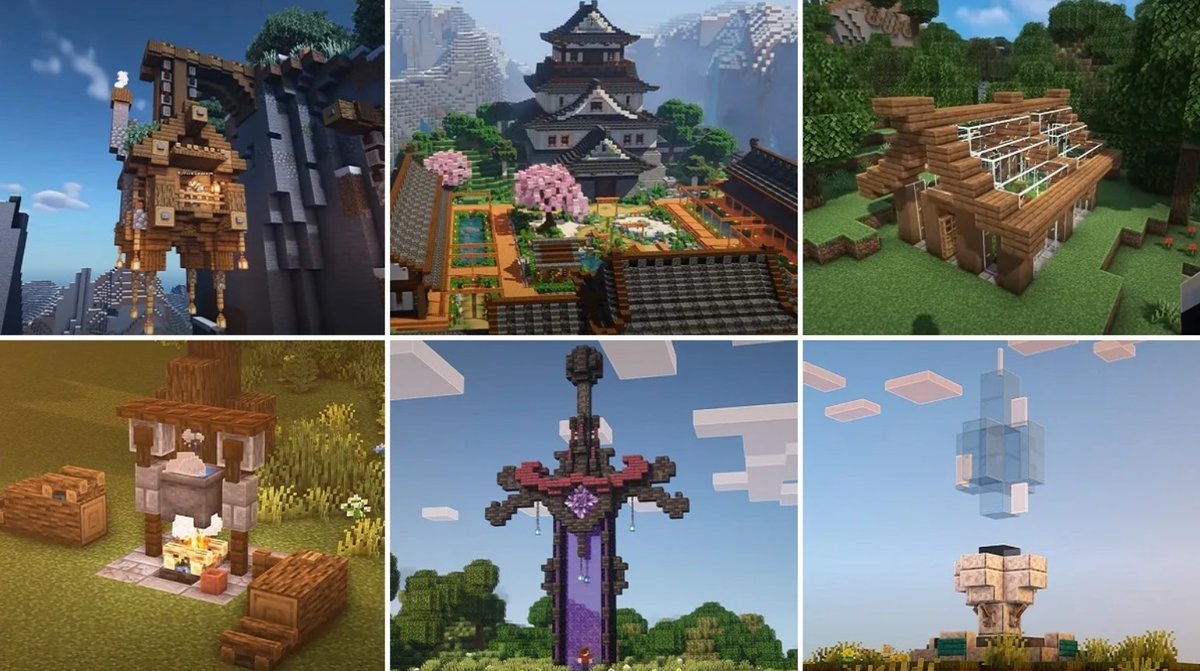
You've built a box, then a slightly bigger box, and maybe even a box with a roof. That's fantastic! Every Minecraft architect starts somewhere. But if you’re itching to move beyond the utilitarian and truly craft worlds that inspire awe, it’s time to dive into advanced Minecraft Creative Building Techniques. This isn't just about placing blocks; it's about telling a story, evoking a mood, and transforming raw materials into stunning visual masterpieces.
Whether you dream of sprawling medieval castles, futuristic skylines, or whimsical natural landscapes, unlocking these techniques will empower you to bring your grandest visions to life. Forget the limitations; embrace the limitless potential of your imagination.
At a Glance: Key Takeaways for Master Builders
- Layer Up for Depth: Don't build flat; create dimension with varied block layers for realistic structures.
- Palette Power: Choose and experiment with color palettes to set the mood and highlight details.
- Embrace Organic Flow: Break free from the grid with curves, custom terrain, and natural shapes.
- Master Scale & Proportion: Vary sizes and details to create dynamic, believable environments.
- Build with a Theme: Design cohesive structures inspired by real-world styles or imaginative concepts.
- Seek Inspiration & Feedback: Document your work, learn from others, and share your creations for growth.
Beyond the Basics: Thinking Like a Digital Architect
Minecraft's Creative mode offers an unparalleled sandbox for digital artists. But raw freedom can be daunting. The trick isn't just what you build, but how you approach the build. It's about shifting your mindset from simply assembling blocks to thoughtfully designing spaces that resonate. Think of your world as a canvas, and each block placement as a brushstroke.
Many players start with simple, functional structures. As you gain confidence, you'll want your builds to feel more substantial, more real. This journey from simple to spectacular often begins with understanding fundamental design principles that transcend mere block placement. Ready to level up your game? Let’s break down the core techniques.
Mastering Depth and Dimension: The Layered Approach
One of the most common signs of an inexperienced builder is a flat, two-dimensional wall. Real-world architecture isn't flat, and neither should your Minecraft builds be! The layered approach is perhaps the most impactful technique for adding complexity and realism.
Imagine a simple stone wall. Instead of a single layer of cobblestone, consider:
- Foundation Layer: Use a sturdy base material like stone bricks or deepslate for the core structure.
- Detail Layer 1 (Outer Wall): Step out a block or two. Use a slightly different texture – maybe regular stone, or even wood logs for support beams – to create the main facade.
- Detail Layer 2 (Accents): Recess or protrude elements further. Add windows, door frames, or decorative pillars using stairs, slabs, fences, or different block types (e.g., stripped logs, chiseled stone bricks).
- Roofing & Architectural Features: Don't just cap it with a flat roof. Use stairs and slabs to create intricate peaks, eaves, and overhangs. Incorporate fences, walls, or even trapdoors for railings and trim. This not only adds visual interest but also makes the structure feel more robust and lived-in.
By consciously building in layers, you break up monotonous surfaces, create shadows, and give your structures a sense of weight and history. It's a fundamental step towards making your builds pop off the screen.
Painting with Blocks: The Art of Color Palettes
Color is incredibly powerful. It sets the mood, guides the eye, and defines the theme of your build. Randomly mixing every block color available will result in chaos. Instead, cultivate an intentional color palette.
Choosing Your Palette
- Mood & Theme: What atmosphere are you going for?
- Warm Tones (orange, yellow, terracotta, spruce wood): Evoke coziness, warmth, autumnal feels, or desert vibes.
- Cool Tones (blue, green, prismarine, dark oak, warped wood): Suggest tranquility, mystery, aquatic themes, or icy landscapes.
- Neutral Shades (stone, grey concrete, birch, acacia): Provide a solid base, balance bright colors, and allow specific elements to stand out.
- Contrast is Key: Don't be afraid to contrast bright, vibrant colors with subdued neutrals. This highlights focal points, preventing your build from becoming a uniform blur. For instance, a detailed crimson roof against a muted grey stone castle wall draws immediate attention.
- Material Harmony: Consider how different block textures interact. Smooth stone contrasts beautifully with rough cobblestone, and polished wood planks can highlight intricate details against a simpler wall.
Experimentation is crucial here. Before committing to a massive build, try creating small "swatch" walls with different block combinations. See how they look in various light conditions and at different times of the Minecraft day. This practice can quickly refine your eye for what works. To broaden your understanding of how different blocks can be combined, you might want to Explore Grabcrafts resources for block combination ideas.
Breaking the Grid: Embracing Organic Shapes
Minecraft's world is built on a grid, but your builds don't have to be slaves to it. Injecting organic shapes – curves, circles, and naturalistic forms – adds immense visual interest and realism, especially in landscaping.
- Custom Terrain: Instead of flat ground, sculpt hills, valleys, and overhangs. Use varied block types (dirt, coarse dirt, gravel, stone, mossy cobblestone) to simulate natural erosion and terrain changes.
- Natural Waterways: Create winding rivers or streams rather than straight canals. Use various depths and surrounding foliage to enhance the natural feel.
- Curving Paths and Roads: Avoid perfectly straight lines. A gently curving pathway, lined with custom trees or bushes, feels far more inviting and natural.
- Custom Foliage: Ditch the default trees! Design your own unique trees with varied trunk thicknesses, branching patterns, and leaf types. Create custom bushes, flower beds, and rock formations using strategically placed blocks, slabs, and stairs.
- Circular Designs: While challenging on a block grid, learn techniques for building convincing circles and spheres. These can be used for domes, towers, or even circular plazas. Online generators can help with the initial block layout for perfect circles.
Embracing organic shapes softens the often-harsh edges of block builds, making your creations feel more integrated into the world and less like they were simply dropped from the sky.
Thinking Big (and Small): Scale and Proportion
A truly dynamic landscape isn't uniform. Varying the scale and proportion of your buildings and features creates visual hierarchy and a sense of depth.
- Vary Building Heights: Don't make all your houses the same height. Create a skyline with a mix of tall structures, medium-sized buildings, and smaller sheds or cottages. This makes a town feel more lived-in and evolved.
- Grand Structures: For monumental builds like cathedrals, monuments, or large castles, use larger, more imposing blocks like logs, pillars, and wide walls. These bigger elements convey a sense of power and age.
- Proportional Details: While you might use large blocks for the main structure, ensure smaller details – windows, doors, railings, decorative trim – are proportionate to the overall size. A giant door on a tiny house looks comical; a tiny door on a grand castle looks out of place.
- Negative Space: Don't overcrowd your landscape. Allow for open areas, parks, or plazas between buildings. Negative space gives your eyes a place to rest and enhances the impact of your impressive structures.
- Micro-Details: Once the large forms are established, zoom in. Add fences, trapdoors, item frames, armor stands, or even strategically placed banners to bring life to smaller areas. These little touches often go a long way in making a build feel complete.
Consider the "Minecraft: Guide to Creative" by Mojang experts; it often showcases how varying scale can dramatically improve a build's overall impact, featuring examples of both grand structures and intricate detailing.
Telling Your Story: The Power of Thematic Builds
Some of the most engaging Minecraft builds are those that tell a story or transport you to another world. Creating thematic builds provides a powerful framework for all your design choices.
- Choose Your Theme: This could be an architectural style (e.g., Medieval, Victorian, Cyberpunk, Roman), a historical period (Ancient Egypt, Wild West), a natural landscape (Volcanic Isle, Enchanted Forest), or even a fictional setting (Fantasy Kingdom, Sci-Fi City).
- Research & Inspiration: Once you have a theme, immerse yourself. Look at images of real-world architecture, art, or natural formations related to your theme. What materials were used? What shapes and colors are prominent? How did people live in these settings? This research will inform your block choices, color palettes, and structural designs.
- Consistency is Key: Stick to your chosen theme across all elements of your build. If you're building a medieval village, don't suddenly introduce neon lights. This cohesion makes your world feel believable and immersive.
- Narrative Elements: Think about the "story" of your build. Who lives here? What do they do? A blacksmith's shop, a farmer's field, a forgotten ruin – these elements add depth and character.
- Examples:
- Medieval Castle: Focus on stone, dark wood, turrets, battlements, large courtyards.
- Modern Skyscraper: Use concrete, glass, sleek lines, minimalist design, rooftop gardens.
- Recreation of a Landmark: Research every detail, from material choices to surrounding landscape, to capture the essence.
Thematic building turns block-placing into world-building, transforming simple structures into parts of a larger, coherent narrative. You can find excellent thematic examples and building blueprints when you Explore Grabcrafts resources for more inspiration.
Refining Your Vision: Iteration and Inspiration
Even the most seasoned builders don't get it perfect on the first try. Building is an iterative process.
- Start Small, Then Expand: Don't feel pressured to begin with a massive project. Build a small section or a single house first. Refine your techniques there, then scale up.
- Take Breaks: Staring at a build for too long can lead to "builder's blindness." Step away for an hour, a day, or even a week. You'll often return with fresh eyes and new ideas.
- Learn from Others: Explore community builds on platforms like YouTube, Reddit, or dedicated Minecraft forums. Pay attention to how others solve design challenges, use blocks creatively, or execute complex themes. Websites like Grabcraft feature countless community creations.
- Use Tutorials: There are endless tutorials available for specific techniques, from roof designs to custom trees. Don't be afraid to follow a guide to learn a new skill. The official "Minecraft: Guide to Creative" is an excellent resource, packed with Mojang expert tips and inspiring community builds to spark your imagination.
- Experiment: Try combining blocks you wouldn't normally consider. Use stairs and slabs for textures you didn't expect. Sometimes, the most interesting results come from happy accidents.
Sharing Your Masterpiece: Documenting and Community Feedback
Building is its own reward, but sharing your creations can be incredibly motivating and provide valuable feedback for improvement.
- Document Your Work:
- Screenshots: Take high-quality screenshots from various angles, focusing on key details. Use shaders and texture packs to enhance visual appeal.
- Videos: For larger builds, a cinematic walkthrough video can showcase the scale and intricacies that screenshots alone can't capture.
- World Downloads: Consider making your world available for others to explore directly.
- Share with the Community:
- Online Platforms: Upload your creations to YouTube, Reddit (r/Minecraftbuilds is excellent), Minecraft forums, or even dedicated building servers.
- Seek Feedback: Don't just post; ask for constructive criticism. "What could I improve?" "What part stands out?" Feedback from other builders can highlight areas you overlooked and push your skills further.
- Build Your Portfolio: Over time, your documented builds become a portfolio of your growth and creativity. This can be immensely satisfying to look back on. Continuing to hone your skills by engaging with a wide range of creative resources is key, so remember to Explore Grabcrafts resources for diverse building ideas.
Common Pitfalls & How to Avoid Them
Even with the best techniques, certain habits can hinder your progress.
- The "Flat Wall" Syndrome: As mentioned, avoid single-layer, flat walls. Always think about depth and texture.
- Fix: Extend facades by one block, add pillars, window sills, or overhangs.
- Monotonous Block Use: Relying too heavily on a single block type.
- Fix: Introduce subtle variations of similar blocks (e.g., cobblestone with mossy cobblestone and stone bricks) or complementary textures to break up uniformity.
- Lack of Scale Variation: Everything is the same size.
- Fix: Consciously plan for larger, focal structures and smaller, supporting elements in your landscape.
- Over-Detailing or Under-Detailing: Either too many tiny, distracting elements, or a bare, uninspired build.
- Fix: Find a balance. Start with major forms, then add details where they draw the eye or serve a purpose. Step back frequently to assess the overall composition.
- Ignoring the Environment: Building a modern skyscraper in the middle of a medieval forest.
- Fix: Let your surrounding terrain or chosen theme dictate stylistic choices. Integrate builds seamlessly into their world.
- Giving Up Too Soon: Large builds take time and patience.
- Fix: Break projects into smaller, manageable chunks. Celebrate small victories, and remember that every block placed brings you closer to your vision.
Your Next Steps for the Aspiring Architect
You now have a robust toolkit of Minecraft Creative Building Techniques to transform your block-placing into true architectural artistry. The journey from a basic structure to a breathtaking masterpiece is one of continuous learning, experimentation, and passion.
Don't be afraid to fail; some of the best learning comes from builds that didn't quite work out. Pick one technique from this guide – perhaps layering, or trying a new color palette – and focus on implementing it in your next small project. As you gain confidence, gradually layer in more complex principles.
Minecraft is a canvas for your imagination. Go forth, experiment, build, and share your incredible creations with the world. Your next masterpiece awaits! For further inspiration and community-driven ideas, always feel free to Explore Grabcrafts resources and connect with other builders. Happy crafting!